

Reimagining Regional Travel — Clean, Efficient, and Already on Track.
A new generation of commuter rail using existing freight corridors and hydrogen-powered trains. No wires. No diesel. Zero emissions.
A Smarter Way to Commute
America’s growing regional corridors demand reliable, sustainable mobility — without the multi-billion-dollar cost of new electrified rail. Our concept reuses existing Union Pacific freight lines for a lightweight, passenger-focused service.
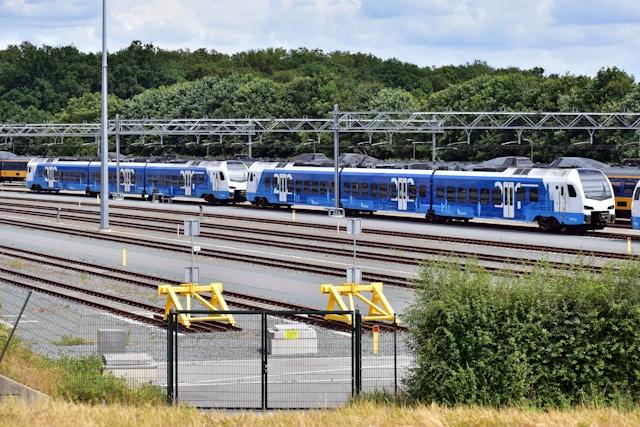
Each service operates on a limited-frequency model with 3 morning departures and 3 evening returns each way, timed perfectly for working commuters and intercity travelers.
Our service is strategically built around Union Pacific’s low-traffic freight windows, ensuring efficient scheduling without disrupting existing operations.

This approach drastically reduces new infrastructure requirements while unlocking new mobility for regional economies.
The Corridor Advantage
The backbone of America’s freight network already connects the cities we need to link. Through collaboration with Union Pacific, passenger operations can share existing tracks, sidings, and control systems — a sustainable alternative to new right-of-way construction.
- Station placement near population clusters
- Integration with city transit systems
- Safety and grade-crossing upgrades

Benefits at a Glance
- Uses existing Union Pacific corridors
- Avoids overhead electrification costs (up to $5M per mile)
- Promotes regional economic links between major and satellite cities
- Cuts regional CO₂ emissions and improves air quality
- Zero direct emissions from hydrogen fuel cells
- Sustainable transport solution for growing regions
- Ready for federal and state clean-transport funding programs
- Scalable to multiple corridors nationwide
- Fast implementation timeline with existing infrastructure

Vision Forward
From Concept to Connected Communities
The Hydrogen Commuter Rail Initiative aims to become a national model for sustainable intercity transport — beginning with Colorado’s Front Range. By combining proven hydrogen technology with shared-use freight infrastructure, we can redefine what’s possible in American passenger rail — cost-effectively, cleanly, and within reach.